Managing Blood Sugar Spikes After Meals: 5 Tips
Stable blood sugar means more energy, fewer cravings, and better weight control. Here is how to achieve it every day.
 Santé
SantéHow to Naturally Stabilize Your Blood Sugar
Why Blood Sugar Spikes Are a Problem
After a carbohydrate-rich meal, your body releases insulin to absorb glucose from the blood. When this rise happens too quickly and too high, it is called a blood sugar spike. You may recognize it as the drowsiness that sets in an hour after eating, a sudden craving for sweets, or the lack of focus that hits in the mid-afternoon.
These spikes are not trivial. Repeated day after day, they tire the pancreas, promote fat storage, and create compulsive urges to snack. The good news is that a few simple adjustments to your eating habits are enough to change things dramatically.
Tip 1: Start Your Meal With Vegetables
The order in which you eat your food has a direct impact on your blood sugar. Studies led by nutrition researcher Jessie Inchauspé have shown that eating vegetables and protein before carbohydrates can reduce a meal's blood sugar spike by 30 to 40%.
The mechanism is simple: the fiber in vegetables forms a kind of barrier in the intestine that slows down sugar absorption. When you eat pasta or rice after having eaten your vegetables first, glucose passes much more gradually into your blood. No sharp spike, no brutal drop.
In practice, start your meal with a salad, raw vegetables, or cooked vegetables. Even a small portion makes a difference. Then move on to proteins, and save the starches for last.
Tip 2: Walk for 10 Minutes After Eating
You do not need to run a marathon to help your body manage glucose. A simple 10 to 15 minute walk after a meal is enough to significantly reduce the blood sugar spike. The reason is physiological: when your muscles contract, they consume glucose directly, without waiting for insulin. This essentially opens a second gateway for sugar.
This tip is especially effective after lunch, when many people sit in front of a screen or go straight back to work. A short active break, even a brief one, completely changes the trajectory of your post-meal blood sugar.
If you practice intermittent fasting, this habit fits naturally into your eating window: you eat, you move lightly, then your body gradually enters a phase of digestion and metabolic stabilization.
Tip 3: Rely on Fiber and Apple Cider Vinegar
Fiber is one of the most powerful allies for stable blood sugar. It slows gastric emptying, reduces carbohydrate absorption, and feeds the beneficial bacteria in your gut microbiome. Legumes, green vegetables, nuts, and seeds are excellent sources to include at every meal.
Apple cider vinegar also deserves special mention. Several studies have shown that one tablespoon diluted in a large glass of water, consumed a few minutes before a carbohydrate-rich meal, can noticeably reduce the blood sugar spike. Its acetic acid slows the action of enzymes that digest starch, thereby delaying glucose absorption.
It is not a magic potion, and it does not replace a balanced diet. But combined with the other tips in this article, the effect is real and measurable.
Tip 4: Include Protein at Every Meal
Protein has a remarkable buffering effect on blood sugar. When you include a source of protein, whether eggs, fish, white meat, tofu, or legumes, in your meal, you slow down carbohydrate absorption and extend satiety.
This is particularly important at breakfast. A protein-rich morning meal positively influences blood sugar throughout the day, reducing cravings and energy crashes. Conversely, a breakfast consisting only of sugary cereals or white bread with jam causes a rapid spike followed by an equally rapid drop, the kind of blood sugar rollercoaster that exhausts your body.
If you practice intermittent fasting and skip breakfast, make sure your first meal of the day contains a generous portion of protein. This will condition your blood sugar favorably for the hours that follow.
Tip 5: Space Out Your Meals and Avoid Snacking
Every time you eat, even a small cookie or a glass of fruit juice, you trigger an insulin response. If you snack continuously between meals, your insulin never really returns to its baseline level. Over time, this promotes insulin resistance and disrupts your body's ability to burn fat.
Spacing out your meals is one of the fundamental principles of intermittent fasting, and it is also one of the most effective strategies for stabilizing blood sugar. By allowing your body to fully digest between meals, you enable insulin to return to its basal level, which preserves your sensitivity to this hormone.
In practice, aim for intervals of at least 3 to 4 hours between meals, without eating anything in between. If hunger becomes difficult to manage, it is often a sign that your meals lack protein or fiber, not that you need to snack more.
Disclaimer
The information presented in this article is provided for educational and informational purposes only. It does not constitute medical advice and does not replace a consultation with a healthcare professional. If you have diabetes, hypoglycemia, or any other metabolic disorder, please consult your doctor before making changes to your diet or lifestyle.
Track Your Eating Window to Stabilize Your Blood Sugar
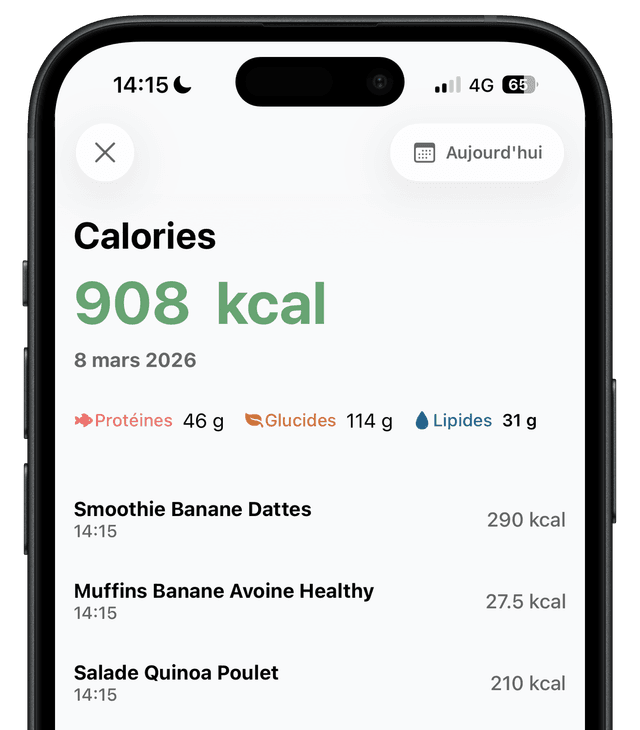
Ember helps you structure your meals and respect your fasting intervals, two essential pillars for maintaining stable blood sugar every day.
You might also like
View all articlesWater retention: understand and act
Causes, symptoms and practical solutions to reduce water retention and restore lightness and well-being.
Hydration: how much water should you drink per day?
Daily water needs, signs of dehydration, hydrating foods and practical tips to stay well-hydrated throughout the day.
Understanding macronutrients
Proteins, carbs, fats: learn the role of each macro and how to balance them for your goal.