Hydration: how much water should you drink per day?
Real needs, individual factors, warning signs and concrete strategies to maintain proper hydration every day.
 Santé
SantéEverything you need to know about hydration
Why is water essential?
Water makes up 60 to 70% of an adult's body weight. It is the essential component of every cell, tissue and organ.
Its roles are multiple and vital. Thermal regulation works through sweating, which allows the body to dissipate heat. Nutrient transport relies on blood, 90% water, which delivers oxygen and nutrients to every cell. Waste elimination depends on the kidneys, which filter around 180 L of blood per day thanks to water. Joint lubrication, provided by synovial fluid, protects cartilage from wear. Digestion itself is impossible without water, it is essential for producing saliva, digestive enzymes and proper gut motility. Finally, cognitive function is directly affected: even 2% dehydration is enough to impair concentration and memory.
Simply put, without water, no biological function can work properly.
How much water should you drink per day?
Official recommendations vary, but the general guidelines are well established: women need 2.0 to 2.5 L of total water per day (drinks and food combined), men need 2.5 to 3.0 L, of which approximately 1.5 to 2 L should come from beverages, water, tea, herbal infusions and the like.
The 8 glasses rule (2 L) remains a good benchmark for most sedentary adults in a temperate environment, even if it doesn't account for individual needs.
In practice, the most common mistake is waiting until you're thirsty before drinking: thirst is already a sign of mild dehydration. Drinking regularly throughout the day is far more effective. The best indicator remains the color of your urine, it should be pale yellow to clear. Dark urine signals you need to drink more; colorless urine may indicate excessive hydration.
Factors that increase your needs
Your water needs are not fixed. Several factors significantly increase them.
Physical activity is the primary one: add 500 mL to 1 L per hour of moderate exercise, and up to 2 L extra for intense or prolonged effort. Drinking before, during and after exercise is essential.
Temperature and environment also play an important role. Heat, humidity and altitude all increase fluid losses, in summer or in a hot climate, plan for an extra 0.5 to 1 L per day.
Body weight is a useful personalization factor: the indicative rule is 35 mL of water per kg of body weight per day. A 70 kg person therefore needs around 2.5 L per day.
Pregnancy and breastfeeding significantly increase needs: +300 mL/day extra during pregnancy, and +700 mL to 1 L per day during breastfeeding.
Finally, certain health conditions modify fluid balance: fever, diarrhea and vomiting cause high losses that need to be quickly compensated. Some diuretic medications increase urinary output. Diabetes and kidney failure require specific needs to be discussed with a doctor.
Signs of dehydration
Dehydration occurs when intake doesn't compensate for losses. It can be mild, moderate or severe.
Mild to moderate signs are often overlooked because they're not dramatic. Thirst itself is already a late sign, you're already at 1 to 2% dehydration when it appears. Added to this are dark urine with a strong odor, unexplained fatigue and low energy, headaches, dry mouth and chapped lips, difficulty concentrating and irritability, and dizziness when standing up.
Severe signs (medical emergency):
Some groups are more vulnerable than others: elderly people, whose thirst sensation decreases with age, infants and young children, high-level athletes, and anyone exposed to prolonged heat.
Water contained in foods
About 20 to 30% of our hydration comes from food, a contribution that is often underestimated.
Fruits are among the richest sources: watermelon, melon, strawberries, raspberries, oranges, grapefruit, peaches and cherries all contain more than 90% water. Vegetables reach similar levels: cucumber, lettuce, celery, zucchini, tomato, bell pepper, radish and spinach are particularly hydrating.
Other foods also contribute to hydration: yogurts and milk (85 to 90% water), soups and broths, and hot drinks like tea, coffee and herbal infusions, which hydrate positively despite their mild diuretic property. Consumed in reasonable amounts (3 to 4 cups per day), coffee and tea actually contribute positively to your overall fluid balance.
Practical tips to stay hydrated
Staying regularly hydrated often requires making it a conscious habit.
Building automatic behaviors is the most durable approach: start by drinking a large glass of water as soon as you wake up, before coffee. Keep a bottle or glass of water visible on your desk. Drink a glass before each meal and associate water intake with recurring actions, meetings, breaks, to embed these gestures into your routine.
To make water more enjoyable, add slices of lemon, cucumber, mint or ginger. Sparkling water varies the experience while hydrating just as effectively as still water. Cold brew teas or herbal infusions are an excellent summer alternative.
Tools can make tracking easier: an app like Ember, a graduated water bottle to visualize your intake, or simple phone alarms and reminders often make a real difference.
Finally, some drinks worsen dehydration and should be limited: alcohol, a powerful diuretic, sugary sodas and industrial juices that promote retention without hydrating effectively, and energy drinks.
Hydration and intermittent fasting
Intermittent fasting changes your eating habits and can therefore affect your hydration.
During the fasting window, you don't consume water-rich foods, fruits, vegetables, soups, that normally account for 20 to 30% of your hydration. Lipolysis (fat burning) does produce some metabolic water, but not enough to compensate. Additionally, some people confuse hunger and thirst during this period.
A few golden rules apply: water, tea, black coffee and herbal infusions do not break the fast and can be consumed freely. Set yourself the goal of drinking at least 500 mL to 1 L during your fasting window. Good hydration reduces the headaches and fatigue often associated with fasting, and sparkling water can help reduce the feeling of hunger.
When breaking the fast, always start with a glass of water before eating, and spread your intake throughout the eating window rather than drinking it all at once.
Medical disclaimer
The information in this article is provided for educational and informational purposes only. It does not constitute medical advice and does not replace consultation with a qualified healthcare professional.
If you have a medical condition (kidney failure, heart failure, diabetes, etc.) or take medications affecting your fluid balance, consult your doctor before significantly changing your water intake.
If you experience signs of severe dehydration (confusion, no urine, rapid heart rate), seek emergency medical attention.
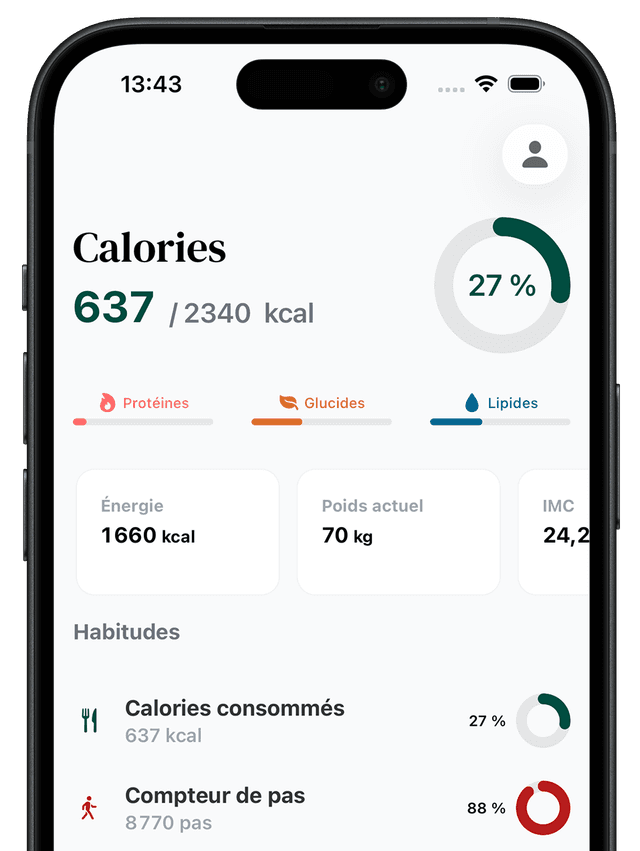
Track your hydration with Ember
Ember helps you track your water intake and eating habits to stay well-hydrated throughout the day.
You might also like
View all articlesWater retention: understand and act
Causes, symptoms and practical solutions to reduce water retention and restore lightness and well-being.
HealthCholesterol and diet: separating fact from fiction
HDL, LDL, myths about eggs and fats: what science actually says, and the foods that protect your lipid profile.
NutritionUnderstanding macronutrients
Proteins, carbs, fats: learn the role of each macro and how to balance them for your goal.