How to eat healthy at a restaurant: our tips
Reading the menu, choosing your dishes, avoiding traps: everything you need to eat well when dining out, without the guilt.
 Mode de vie
Eating well at a restaurant is possible
Eating at a restaurant can be healthy
Many people feel they have to choose between enjoyment and healthy eating the moment they walk into a restaurant. That's a misconception. With a few simple habits, it's entirely possible to enjoy a restaurant meal while still taking care of yourself.
Whether you eat out for work lunches or social dinners, learning to make the right choices makes a real difference over time.
This guide gives you practical, actionable tips that work in any restaurant, without turning every meal out into a nutritional puzzle.
Reading the menu with intention
Your first tool is the menu itself. Before letting yourself be tempted by the first thing that catches your eye, take the time to read through the whole menu.
Look for cooking methods: grilled, steamed, poached are your allies. Fried, breaded, or crusted preparations are richer. Terms like "in butter", "in cream sauce", or "au gratin" signal high caloric density.
Don't hesitate to ask for dressings or sauces on the side. This simple habit lets you control how much you use and can significantly reduce the fat content of your dish.
Starters: setting the right tone
Your starter sets the tone for the whole meal. Go for raw vegetables, green salads, fish or vegetable carpaccio, they're filling thanks to fiber and light proteins, and they support digestion.
Avoid starters high in hidden fats: large amounts of charcuterie, deep-fried foods, cheese pastries, or creamy vol-au-vents. These choices weigh down the beginning of your meal and leave little room for a balanced main course.
A vegetable soup without added cream is also an excellent option: it hydrates, satisfies, and is generally low in calories. If you're not very hungry, it can even replace a traditional starter.
Choosing your main course
The main course is the heart of the meal. Opt for lean proteins: grilled chicken, fish fillet, veal, eggs. Paired with vegetables, they make a complete and balanced meal that sustains energy without weighing you down.
Carbohydrates aren't to be avoided, rice, potatoes, legumes provide energy and fiber, but prefer them non-fried and in reasonable quantities. Half a plate of vegetables, a quarter protein, and a quarter carbs is a solid rule of thumb.
If the dish comes with fries, there's nothing stopping you from asking to swap them for a green salad or steamed vegetables. Most restaurants are happy to oblige, and this swap makes a significant difference nutritionally.
Traps to avoid
Several habits can derail what seemed like a balanced meal.
Bread before the meal is the first trap: nibbling on bread while waiting for your dish adds unnecessary calories. If you're hungry, a light starter is more useful.
Sauces are the second: a creamy sauce or generous vinaigrette can double the calories of a salad. Always ask for it on the side.
Sugary drinks, sodas and fruit juices, add sugar without providing satiety. Prefer water, still or sparkling.
Finally, the automatic dessert: if you still want something sweet, fresh fruit, a fruit salad, or sorbet is always lighter than a chocolate fondant or cream tart.
Adapting your choices by restaurant type
Each cuisine has its opportunities and pitfalls.
In a traditional French restaurant, favor fish or grilled poultry dishes. Brasseries often offer good options with vegetable sides.
In an Asian restaurant, sushi, sashimi, clear noodle broths, stir-fried vegetables, and tofu are good choices. Watch out for sweet sauces and fried rice.
In an Italian restaurant, favor a vegetable pizza on thin crust, or pasta with a simple tomato sauce rather than carbonara or cream sauce. Grilled vegetable antipasti are excellent.
In a fast-food restaurant, go for salad or wrap options without heavy sauces, avoid supersized meals, and choose water over soda. Several chains now offer decent grilled options worth considering.
Restaurants and intermittent fasting
If you practice intermittent fasting, eating out can fit perfectly within your eating window. The key is to plan ahead and choose a restaurant that aligns with your usual meal timing.
In this context, favor dishes rich in protein and fiber that extend satiety and support your energy until your next meal. Avoid meals very high in fast sugars: they cause a blood sugar spike followed by an energy crash, which doesn't pair well with long fasting periods.
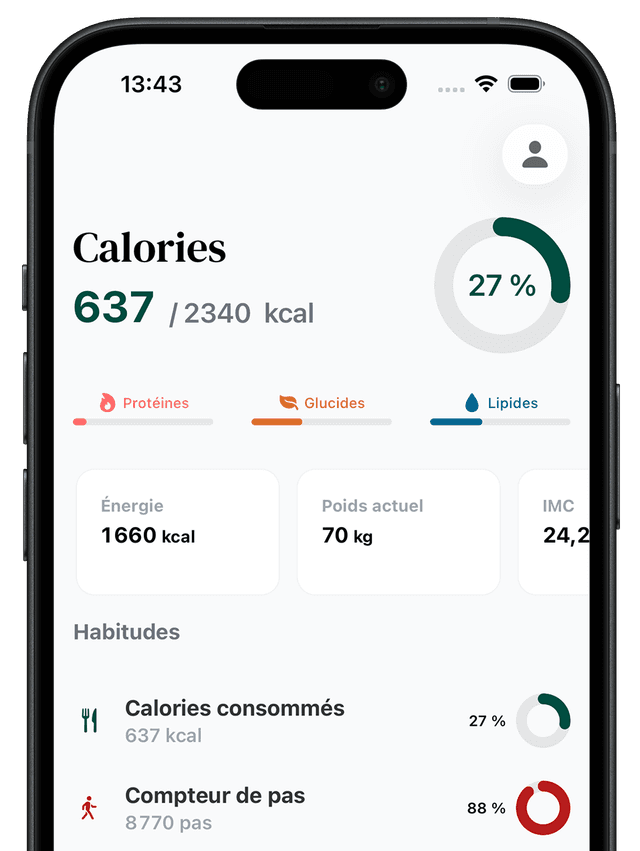
Ember helps you track your eating habits and maintain your fasting window, even when dining out.
Key takeaways
These tips are provided for informational purposes as part of a general nutrition approach. Everyone has different needs based on their age, health status, goals, and level of physical activity.
Eating healthily at a restaurant doesn't mean depriving yourself or feeling guilty. It's simply about making informed choices, most of the time, while fully enjoying the meal.
For personalized guidance, consult a healthcare professional or a registered dietitian.
Track your meals, even when dining out
Ember helps you maintain your eating habits and fasting window, whether you're eating at home or at a restaurant.