Zero calorie foods: myth or reality?
Separating fact from fiction on near-zero calorie foods, understanding thermogenesis, and learning to use these foods to eat more with fewer calories.
 Nutrition
Everything you need to know about zero calorie foods
What is a "zero calorie" food?
The term "zero calorie" is primarily a marketing term. No solid food contains literally zero kilocalories, even lettuce or cucumber provide some calories.
In most countries, the "zero calorie" or "calorie-free" label is permitted for beverages containing fewer than 4 kcal per 100 ml. For solid foods, the term has no strict legal definition and is often used as a marketing claim.
The only truly zero calorie options are:
Everything else, however light, provides calories. The good news: some vegetables are so low in calories that they can transform the way you eat without depriving yourself of volume or satiety.
The nutritional reality: no solid food is at 0 kcal
Understanding calorie density is essential for making informed choices. Here are the vegetables closest to zero calories (per 100 g):
For comparison, white bread provides 265 kcal/100 g and cheese around 350 kcal/100 g. These vegetables allow you to double the volume of your plate for a fraction of the calories.
The negative calorie myth
The idea that certain foods, like celery, burn more calories to digest than they provide is appealing but not scientifically validated.
The mechanism in question is called the Thermic Effect of Food (TEF): the energy the body expends to digest, absorb, and metabolize food. This expenditure varies by macronutrient:
Celery provides about 14 kcal/100 g. Its digestion may consume 2 to 3 kcal. This leaves a positive balance of 11 to 12 kcal, never negative.
The concept of "negative calories" has no serious supporting studies. It is regularly refuted by nutrition researchers. However, the fact that these vegetables are very low in calories and highly filling makes them powerful tools for weight management, without needing to rely on this myth.
Why include these foods: nutritional density and satiety
While near-zero calorie foods don't magically burn fat, they offer real, documented advantages:
High nutritional density: For minimal caloric intake, these vegetables provide vitamins (A, C, K, B9), minerals (potassium, magnesium, calcium), and antioxidants. Spinach, for example, provides as much calcium as some dairy products for only 23 kcal/100 g.
Volume and satiety: Their high water content (80 to 96%) and fiber fills the stomach and activates gastric stretch receptors, signaling satiety to the brain. A large salad of 200 g of lettuce provides only 26 kcal, virtually nothing, but it fills the stomach for 2 to 3 hours.
Gut microbiome health: The fiber in these vegetables feeds beneficial gut bacteria (Bifidobacterium, Lactobacillus), reduces chronic inflammation, and improves digestive transit.
Blood sugar regulation: Their glycemic index is very low (below 15 for most). Consumed before or during a meal, they reduce the overall glycemic response by slowing the absorption of other foods.
How to use them daily: adding volume to your plate
The art of using very low-calorie vegetables relies on a simple strategy: increase the volume of your plate without increasing calories.
Practical techniques:
Connection with intermittent fasting
Very low-calorie foods and zero-calorie drinks are particularly valuable in the context of intermittent fasting.
During the fasting window, only zero-calorie foods and drinks are permitted without breaking the fast:
To break the fast gently, very low-calorie vegetables are ideal as the first food. They prepare the digestive system, gently stimulate the production of digestive enzymes, and avoid the metabolic shock of a heavy meal after a long fasting period. A good first meal to break the fast might be a large salad of low-calorie vegetables with a light protein source.
During the eating window, these vegetables allow you to eat large volumes without blowing your calorie budget, which helps maintain a caloric deficit while feeling full. To learn more about nutrition adapted to intermittent fasting, check out our
Medical disclaimer
The information presented in this guide is provided for educational and informational purposes only. It does not constitute personalized medical advice.
If you are looking to lose weight or significantly change your diet, consult a doctor or dietitian, particularly if you are pregnant, breastfeeding, diabetic, taking anticoagulant medications (green vegetables are rich in vitamin K), or if you have eating disorders.
A diet consisting exclusively of very low-calorie foods can lead to nutritional deficiencies in protein, essential carbohydrates, and healthy fats. The goal is to incorporate these foods as a complement to a varied and balanced diet, not to substitute them for all other food groups. This information is based on data from the WHO, ANSES, and the Academy of Nutrition and Dietetics.
Optimize your diet with Ember
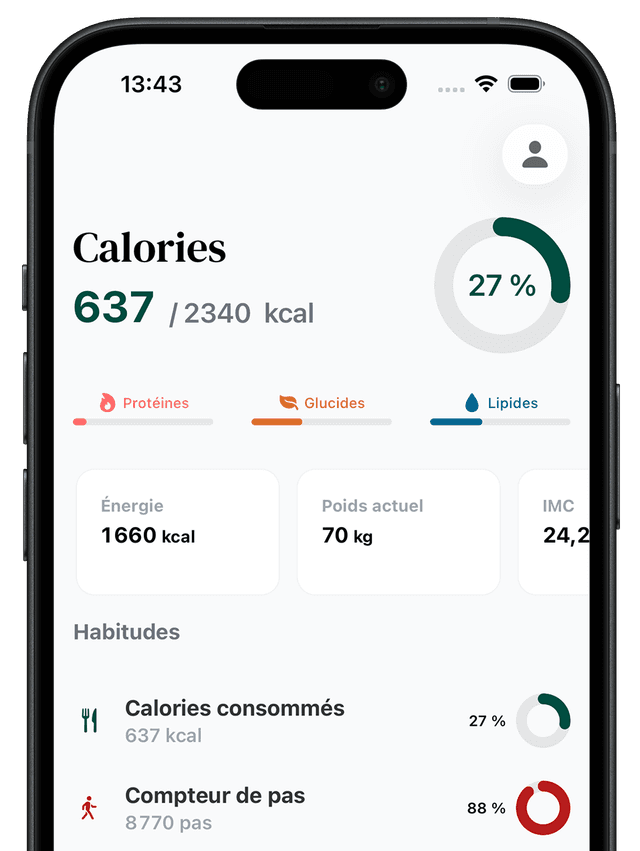
Ember's AI analyzes your meals, helps you incorporate low-calorie foods, and supports you in intermittent fasting to reach your goals.
You might also like
View all articlesUnderstanding macronutrients
Proteins, carbs, fats: learn the role of each macro and how to balance them for your goal.
NutritionEssential micronutrients
Vitamins, minerals, trace elements: discover why these nutrients are vital to your health.
Weight & fitnessCaloric deficit explained
Understand how to create a healthy, sustainable caloric deficit to lose weight without frustration.