Ultra-Processed Foods: How to Identify Them
From the NOVA classification to supermarket labels: everything you need to know to tell the difference on your plate.
 Nutrition
Understanding and Identifying Ultra-Processed Foods
Ultra-Processed Foods: What Are We Talking About?
You find them in almost every supermarket aisle: breakfast cereals, ready meals, chips, sodas, biscuits, bottled sauces. They are called ultra-processed foods, yet many people would struggle to define them precisely. It is not simply a matter of poor nutritional quality: a product can be low in sugar and high in protein while still being ultra-processed.
The distinction between a processed food and an ultra-processed food rests primarily on the nature of the ingredients used and the manufacturing processes involved. What we eat today barely resembles what our great-grandparents would have recognized as food. Substances derived from industrial processes, synthetic flavors, emulsifiers, colorings: all elements that do not exist in an ordinary home kitchen.
Understanding this distinction means giving yourself the tools to make more informed dietary choices. It is not about guilt or forbidden foods, but simply about knowing what you put on your plate. For that, the NOVA classification is today the reference tool used by nutrition researchers worldwide.
The NOVA Classification: Four Groups to Understand
The NOVA classification was developed in the 2000s by Brazilian researcher Carlos Monteiro and his team at the University of São Paulo. It does not classify foods by their nutrients, but by the degree of industrial processing they have undergone. This is a radically different approach from classical nutritional systems.
Group 1 includes unprocessed or minimally processed foods: fruits, vegetables, fresh meats, eggs, plain milk, dried legumes. These foods may have been dried, refrigerated, or pasteurized, but their fundamental nature has not been altered.
Group 2 comprises processed culinary ingredients: vegetable oils, butter, flour, salt, sugar. These are substances extracted from Group 1 foods and used for cooking. They are generally not consumed on their own.
Group 3 includes processed foods: canned vegetables, cheeses, artisanal charcuterie, canned fish. These foods have been modified to extend their shelf life, but their ingredient list remains short and recognizable.
Finally, Group 4 gathers ultra-processed foods. This is where things become complex: industrial formulations containing ingredients rarely used in home cooking, such as hydrolyzed proteins, modified starches, synthetic additives, or artificial flavors.
How to Read a Label to Spot an Ultra-Processed Product
Recognizing an ultra-processed food on a supermarket shelf is not always obvious, especially when the packaging displays reassuring messages like "natural", "no artificial colors", or "source of fiber". The key is to turn the product over and read the ingredient list, not the front panel.
The first warning sign is the length of the list. A Group 4 food typically has more than five to ten ingredients, many of which are substances you would not use in your own kitchen. A few elements to spot easily:
Another useful clue is the manufacturing process visible on the packaging. Mentions like "extruded", "textured", "reconstituted", or "based on" often indicate a high level of processing. Sliced ham whose ingredient list includes dextrose, phosphates, and flavorings has little in common with meat that has simply been cooked and sliced.
Health Effects: What the Research Tells Us
The question of the effects of ultra-processed foods on health was long debated, as it is difficult to separate the effect of the degree of processing from that of the nutritional composition (too much salt, sugar, saturated fats). But since the 2010s, a series of large-scale epidemiological studies has been pointing in the same direction.
The NutriNet-Santé study, conducted in France on more than 100,000 participants, showed that a 10% increase in the share of ultra-processed foods in the diet is associated with a significant increase in the risk of cardiovascular disease, type 2 diabetes, and certain cancers. These associations persist even after correcting for sugar, fat, and salt intake.
Researchers put forward several hypotheses to explain these effects. Food additives (emulsifiers, sweeteners, preservatives) could disrupt the gut microbiome, which plays a central role in immunity and metabolism. High-temperature processing methods can form potentially toxic neoformed compounds. Finally, food-contact packaging can release endocrine disruptors.
It is important to note that most of these studies are observational and cannot establish a definitive causal link. But the convergence of evidence is strong enough for health agencies like INSERM and the WHO to take them seriously.
Weight Gain and Metabolism: The Role of Ultra-Processed Foods
Ultra-processed foods are designed to be what researchers call hyper-palatable products: formulated to trigger compulsive consumption through precise combinations of sugar, salt, and fats that maximize sensory pleasure while bypassing natural satiety mechanisms.
A controlled clinical study published in 2019 in the journal Cell Metabolism provided direct evidence of this effect. Participants following a diet based on ultra-processed foods consumed on average 500 more calories per day than those following a diet based on unprocessed foods, spontaneously, without any specific instruction. Their weight gain was significantly greater over two weeks.
Several mechanisms are at work. First, these products are often low in fiber and protein, two nutrients that contribute to satiety. Second, their ultra-soft texture reduces chewing time, which speeds up ingestion and gives the brain less time to register fullness. Finally, artificial flavors and taste enhancers create sensory stimulation that can dissociate the pleasure of eating from the actual nutritional value of the food, pushing people to eat more than necessary.
How to Reduce Ultra-Processed Foods Day to Day
Reducing your consumption of ultra-processed foods does not mean cooking everything from scratch every day or becoming obsessed with labels. It is more about introducing a few progressive habits that, combined, make a real difference without turning eating into a source of stress.
The first lever is batch cooking for a few hours each week. Preparing a large quantity of legumes, grains, or grilled meats in a single session means having Group 1 and 2 ingredients on hand that naturally replace Group 4 ready meals during the week.
The second lever concerns shopping. Building your shopping list around the perimeter of the supermarket, where fresh products are found, mechanically reduces exposure to processed product aisles. And when an industrial product is unavoidable, choosing the one with the shortest and most readable ingredient list remains a simple and effective rule.
Finally, intermittent fasting can play an unexpected role in this approach. By reducing eating windows, it tends to decrease the consumption of ultra-processed snacks that fill the gaps between meals. Research suggests that people practicing intermittent fasting naturally consume more structured meals and fewer ultra-processed snack foods, without deliberate effort.
Disclaimer
The information in this article is provided for educational purposes only and does not substitute for professional medical advice. If you have a chronic illness, digestive disorders, or a particular nutritional condition, consult your doctor or a registered dietitian before changing your eating habits. The associations between ultra-processed foods and health risks mentioned in this article come from epidemiological studies and do not constitute definitively established causal links.
Adopt a More Natural Diet with Intermittent Fasting
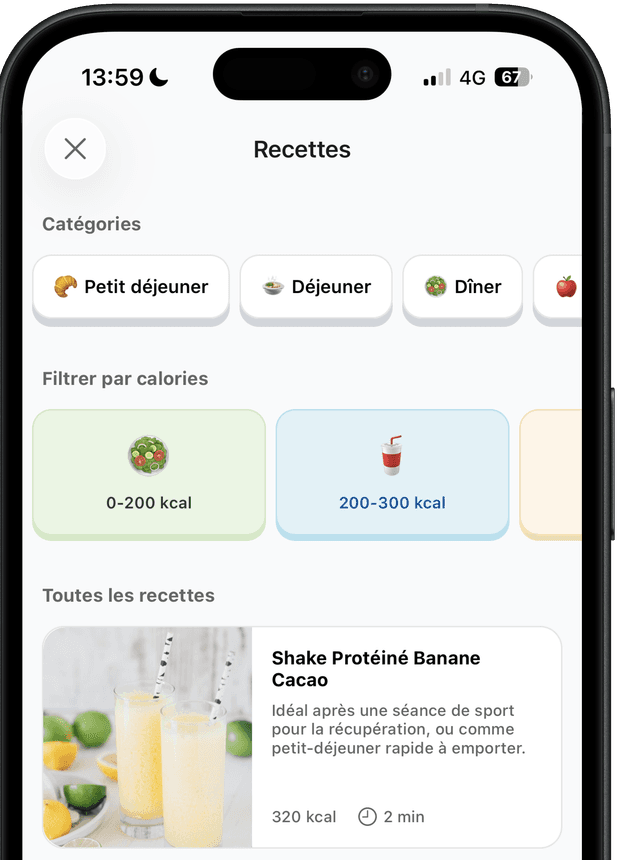
Ember helps you structure your eating windows to naturally reduce ultra-processed snacking and build better daily habits.
You might also like
View all articlesUnderstanding macronutrients
Proteins, carbs, fats: learn the role of each macro and how to balance them for your goal.
Essential micronutrients
Vitamins, minerals, trace elements: discover why these nutrients are vital to your health.
Caloric deficit explained
Understand how to create a healthy, sustainable caloric deficit to lose weight without frustration.